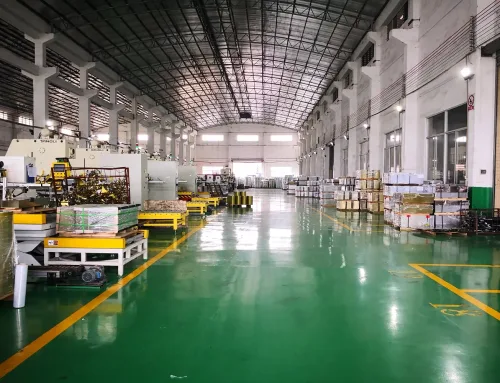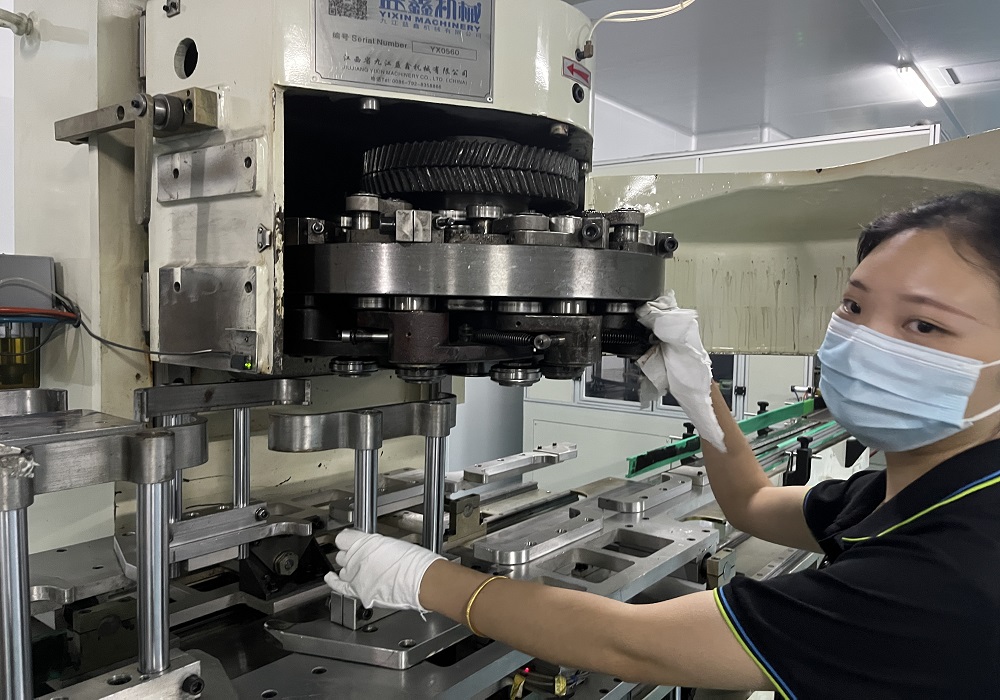
The main production process of food three-piece can bodies includes shearing, welding, welding seam repairing and coating drying, necking, flanging, beading, sealing, leak testing, overall coating and drying, and packaging. Today, we will focus on explaining the drying process:
Drying is essential to ensure that the overall coating material is dried and cured, forming a dense barrier that isolates the can body from its contents to prevent leakage. This process is a critical component within the broader framework of Tin Can Making Machine Solutions, particularly for ensuring the quality and durability of the final product.
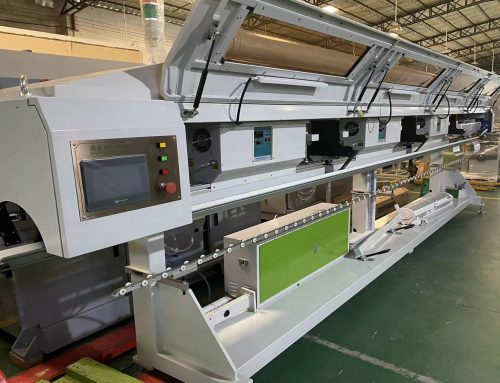
The main components of the drying equipment include the furnace body, gas ignition device, box insulation layer, heating blower and duct, waste gas recovery blower and duct, cooling fan unit, conveyor mesh tensioning and transmission device, and electrical control system. These components are similarly vital in the Automatic Conical Pail Production Line, where drying also plays a key role in achieving high-quality production standards.
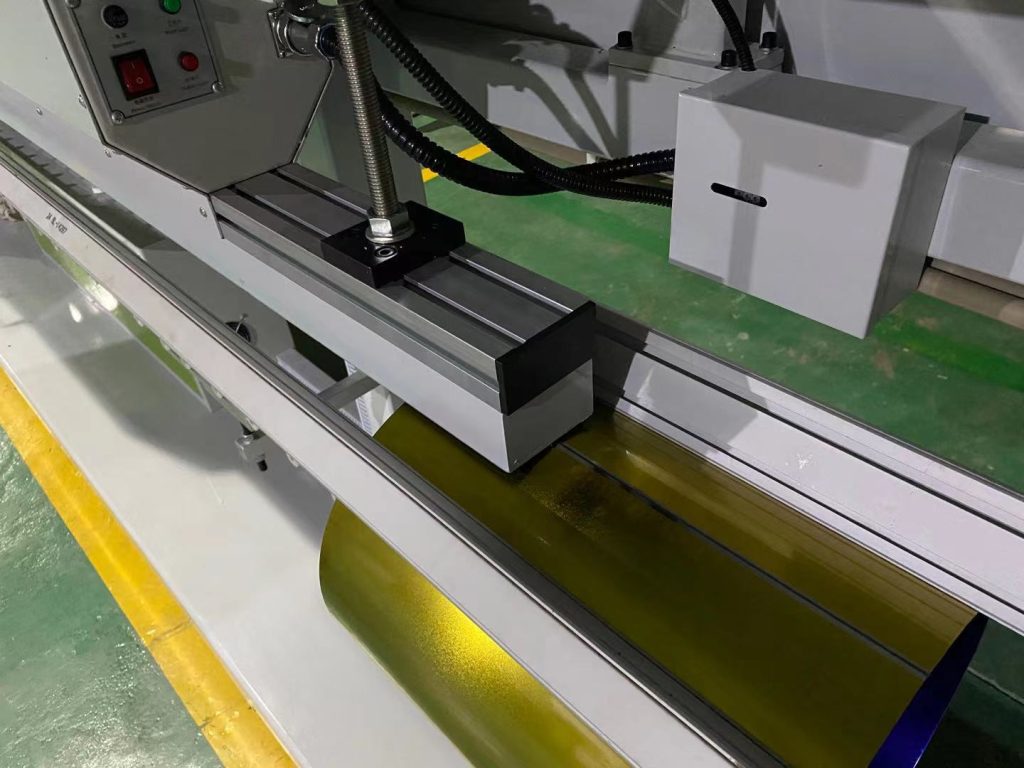
The drying furnace is divided into four sections: the heating zone, waste gas recovery zone, cooling zone, and outlet buffer zone. The key process parameters for drying are the temperature of the hot air in the heating zone and the mesh speed (which determines the baking time). The setting and stable operation of these two parameters directly affect the overall coating baking effect, ensuring that both tin cans and conical pails meet the necessary performance standards.
After spraying, the empty cans are required to be dried in the oven (generally set at 180-210°C for 35 minutes). After drying and curing, there should be no odor, and the inner wall should be free from foaming or yellowing. The curing of the coating is tested by a steaming test in a high-temperature sterilization pot (usually using steam or boiling water at 121°C for 30 minutes), and it should show no whitening, peeling, or detachment.
This process is mirrored in the Automatic Conical Pail Production Line, where the conical pails undergo a similar drying and curing process to ensure the coating adheres properly, maintaining the integrity of the pail’s interior and exterior surfaces. The advanced technologies used in both Tin Can Making Machine Solutions and the pail production line ensure that these drying processes are efficient and reliable, supporting high production capacities and consistent quality.