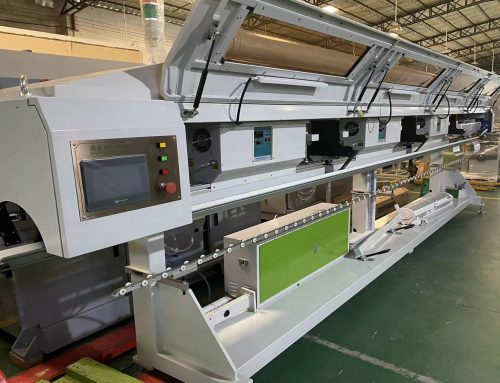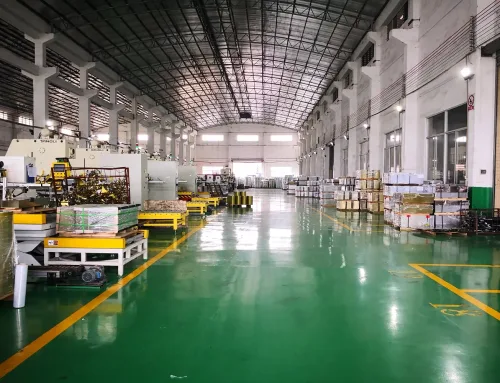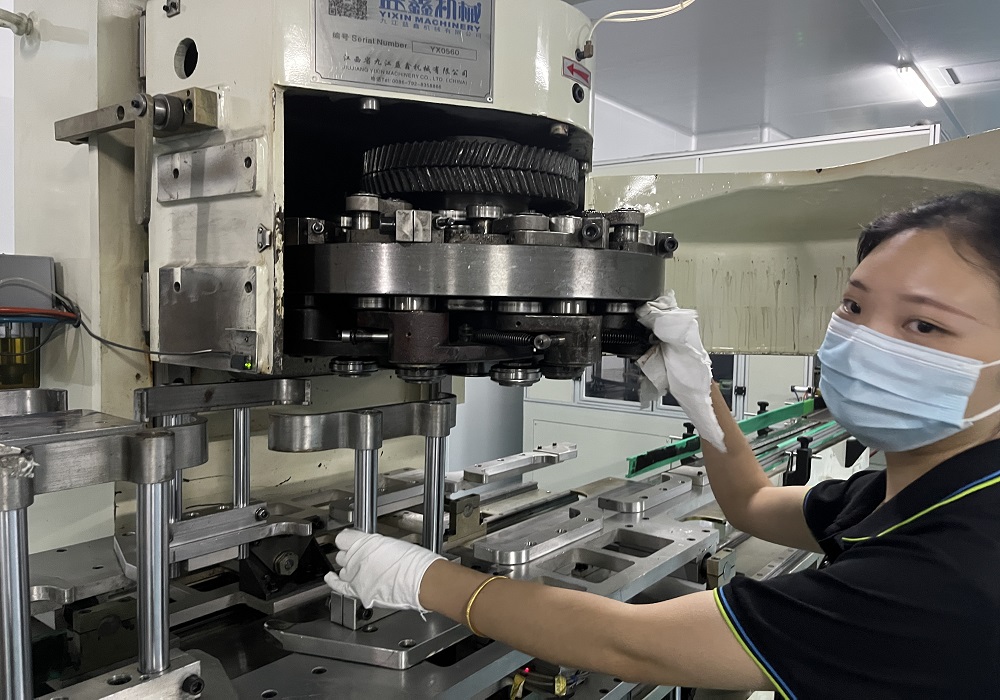
When manufacturing metal can lids, drying becomes critical after stamping and adhesive application. Let’s break down the three common drying systems used in the industry:
Tunnel dryers work like a slow-moving car wash for lids. Picture a horizontal conveyor chain carrying stacks of adhesive-coated lids through a heated tunnel. While simple to operate, this method has drawbacks. Workers often load/unload lids manually, and the stacked arrangement blocks airflow. This leads to sluggish drying times, higher energy bills, and inconsistent results – especially noticeable in high-volume production.
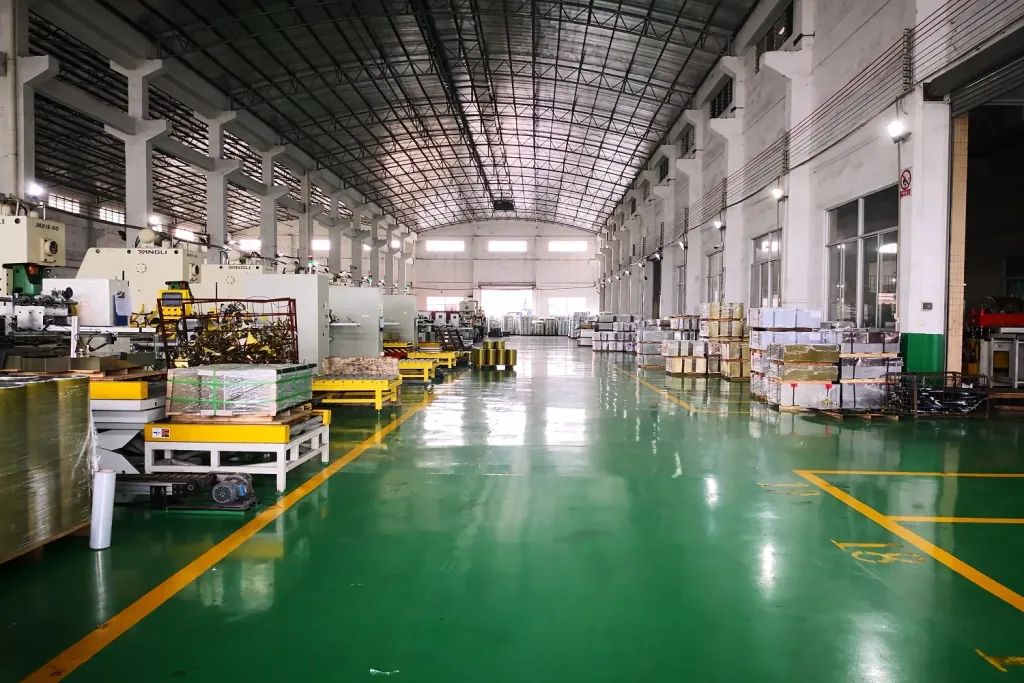
Vertical dryers flip the script with a space-saving tower design. Screw conveyors or chains lift lids upward while hot air blasts them from multiple angles. The magic happens because each lid gets individual exposure to heat instead of sitting in a pile. Factories love these for mass-producing standard lid designs – they dry faster than tunnel systems while using 30-40% less energy. The closed-loop design also keeps heat from escaping, making them greener than their horizontal cousins.
The rockstar of lid drying? Medium-frequency dryers. Developed during the space race era, these units use electromagnetic induction to heat lids from the inside out. No hot air blowers needed. This tech eliminates adhesive defects like bubbling and ensures every lid gets identical heating – imagine a microwave vs a conventional oven for precision. Maintenance teams appreciate the simple mechanics, while accountants cheer the reduced energy bills. If your factory prioritizes quality control and sustainability, this is the future-forward choice.
Each system has its sweet spot. Old-school tunnel dryers handle small batches of specialty lids well. Vertical dryers dominate high-output cookie-cutter production. Medium-frequency models shine where perfection matters most – think pharmaceutical or premium food packaging.